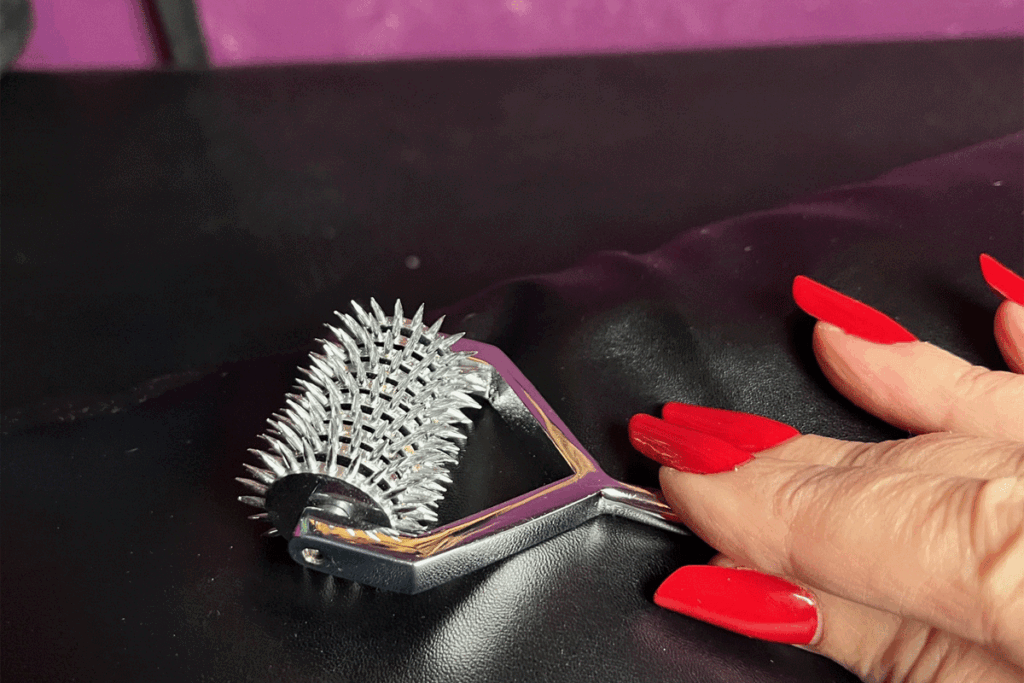
Theme page: Scarification: from branding to knifeplay!
Scarification, or scar formation, is a body modification in which controlled wounds are made to create permanent scars. This can range from simple lines to complex patterns and symbols. The process involves techniques such as cutting, burning or removing layers of skin to achieve the desired design. For some people in BDSM it is an absolute no-go, for others a beautiful expression of their surrender. Hence this theme page: Theme page: Scarification: from branding to knifeplay! Because there is plenty to say about it!
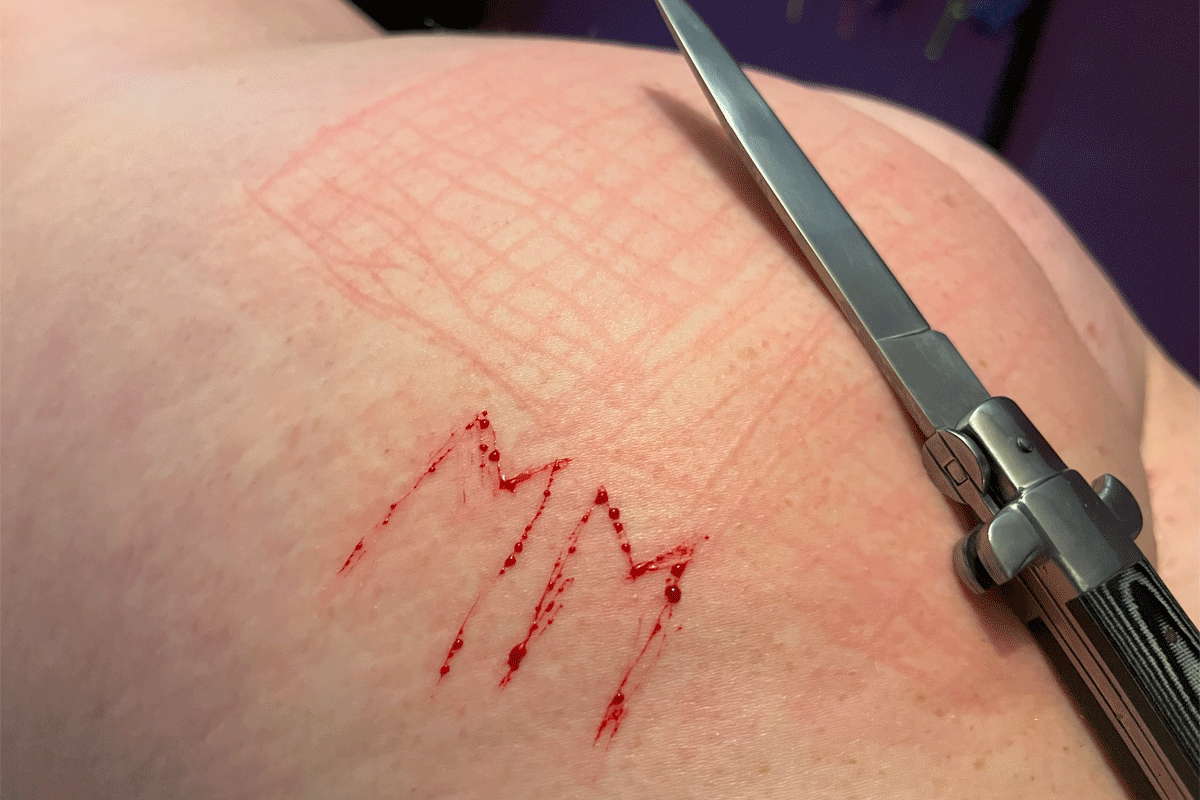
The difference between self-harm and scarification
Self-harm is often a coping mechanism for emotional pain, where someone deliberately injures themselves without the intention of creating permanent scars as an aesthetic goal. Scarification, on the other hand, is a conscious and, if all goes well, consensual practice, often with a deeper meaning or as a symbol of devotion and/or surrender.
Different forms
Scarification comes in many forms and sizes. Some popular techniques are:
Cutting
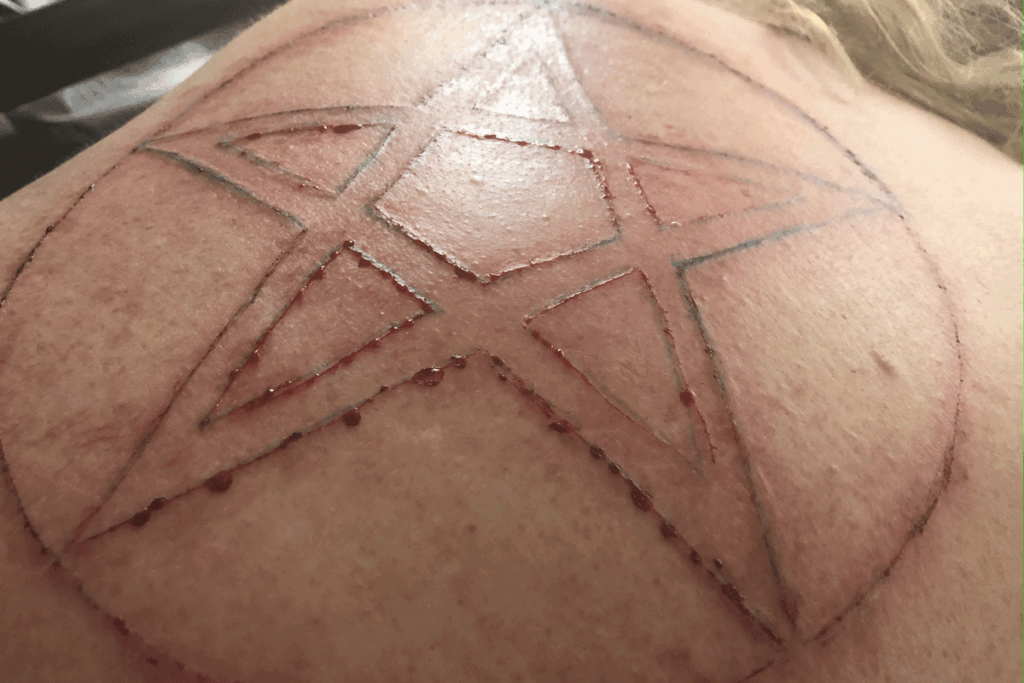
Superficial incisions are made in the skin to create a pattern or design. It is important that this is done with sterile instruments and by someone with experience, to prevent infections.
Branding
This involves applying heated instruments to the skin to create a burn that heals into a scar. This includes, for example, the more superficial cell popping.
Skin removal
Parts of the skin are removed to create a deeper scar. This is a more invasive technique and requires a longer healing time.
Chemical scarification
The use of chemical substances to etch the skin and thus form a scar. This is less common and requires precise application to prevent unwanted damage.
Is it legal?
In the Netherlands there is no specific legislation that prohibits scarification. However, the practice falls under the general health and hygiene regulations. Professionals who offer scarification must comply with the guidelines for hygiene and safety. It is always wise to inform yourself well and consult an experienced professional before you decide to go ahead with scarification.
Does a tattoo count as scarification too?
No, getting a tattoo does not fall under it. Although both techniques fall under the heading of body modification, they differ fundamentally in their method and the end result.
The difference in technique
Tattoo
With a tattoo, ink is injected into the skin with needles, creating a permanent image or text. The skin heals without deliberate scar formation, unless complications occur such as an infection or poor healing.
Scarification
This is precisely about creating permanent scars. Here the scarring is the goal in itself, not a coloured image beneath the skin.
The difference in aesthetics
A tattoo retains its shape and colour thanks to the ink, whereas a scarification pattern can change over time as the scar heals. Scarification often has a raised texture and depends on the person's skin reaction. Some scars become thicker (keloid formation), while others stay more subtle.
Informative scarification
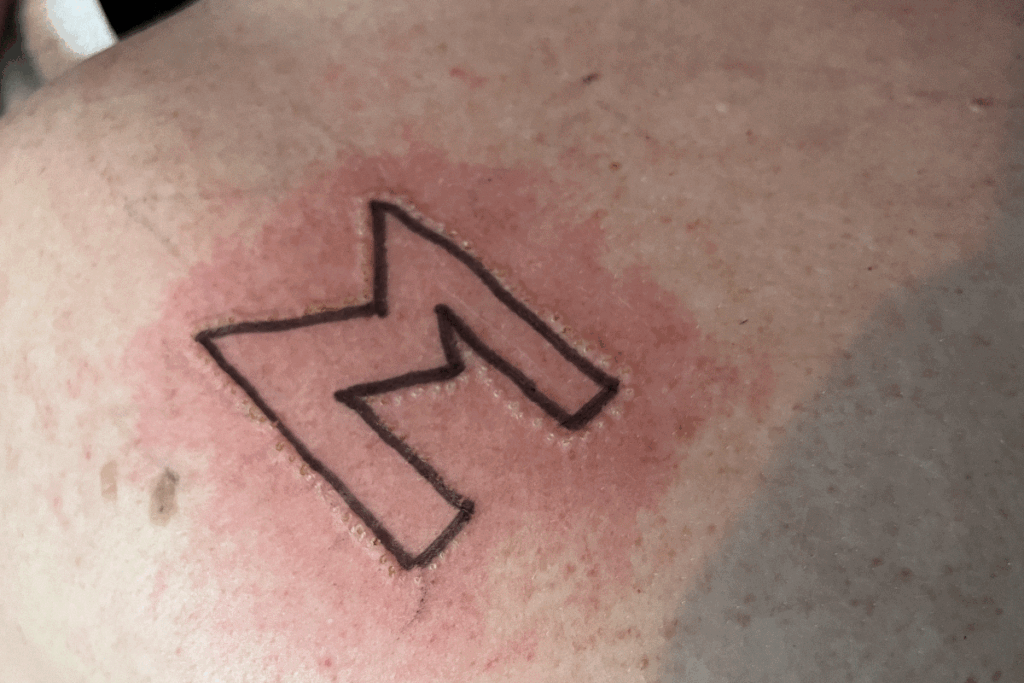 How much fun is cell popping? And is it permanent?
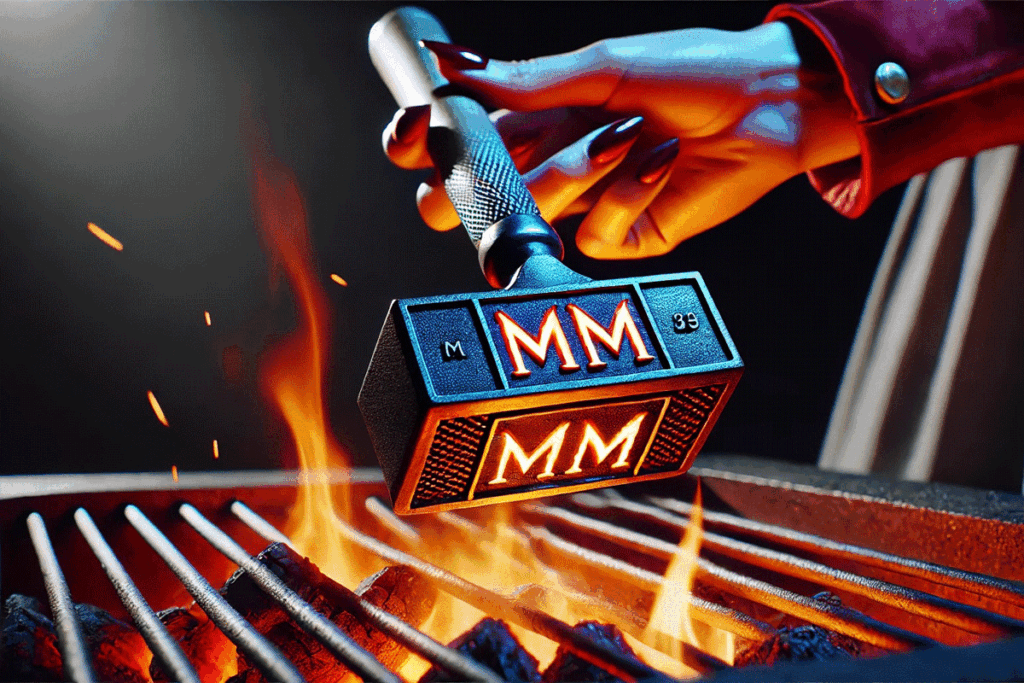 Branding, a permanent form of body modification
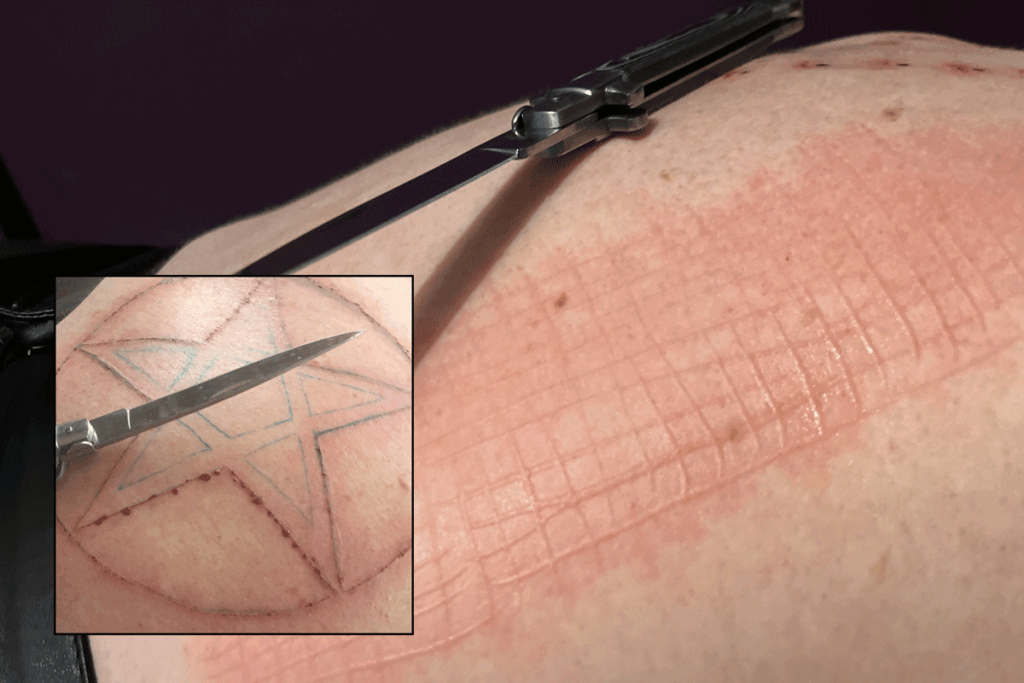 Knifeplay, the thrilling game with blades
 What is the difference between BDSM and self-harm?