
Chastity and Locktober – the power of chastity within BDSM
In this article
“Chastity and Locktober – the power of chastity within BDSM" was written for BDSMforyou.nl by Mistress Moriah.
Chastity within BDSM may sound contradictory to many people. After all, sexuality and lust are often associated with immediate gratification. Yet there is enormous power in deliberately delaying, or even completely denying, an orgasm. Chastity - or chastity play - is an experience that can raise the tension to great heights and deepen the relationship between Dominant and submissive. The annual tradition of Locktober, in which thousands of people worldwide take part in a month of chastity, has put this theme in the spotlight in recent years. It is not just a playful challenge, but a way to experience power, discipline, surrender and connection.
What is chastity within BDSM?
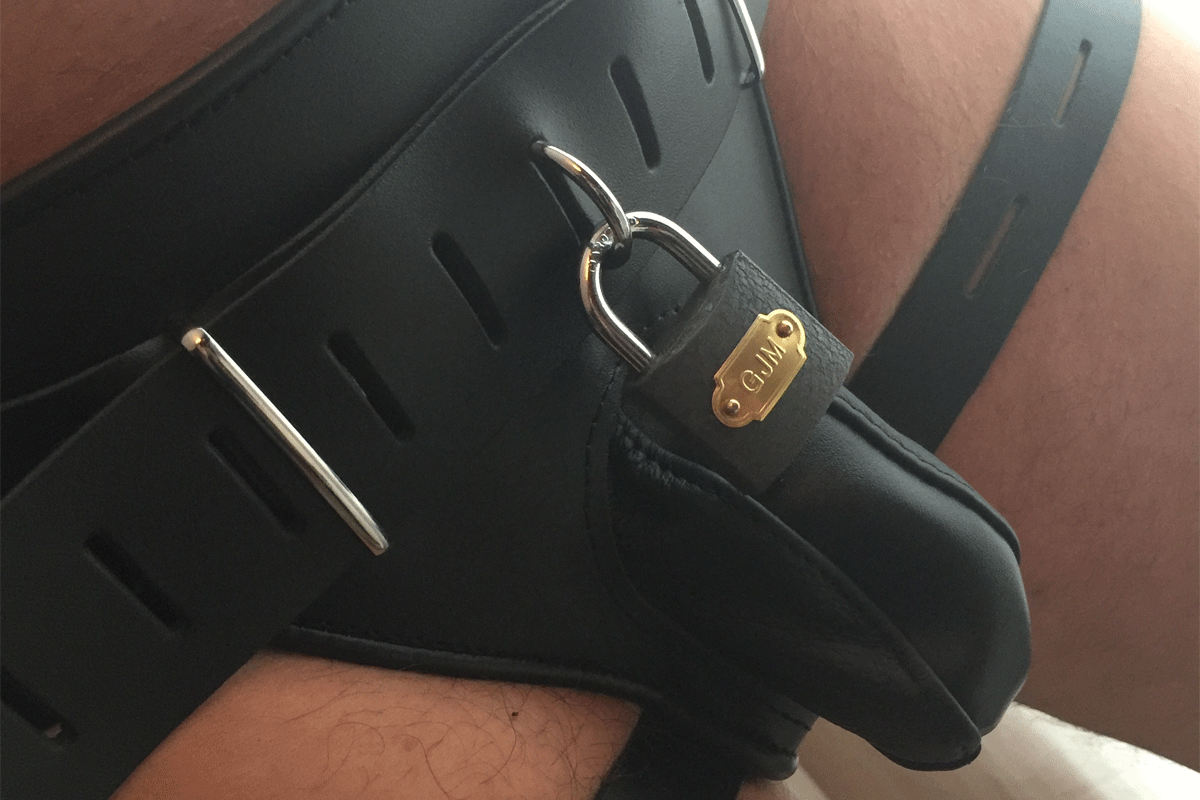
Chastity within BDSM means that the submissive does not have the freedom to pleasure themselves sexually. This is often supported by a chastity belt or a special device, such as a penis cage or vagina cage. However, it is not only about wearing a device. It is mostly about the psychological dimension: the knowledge that control over sexuality lies entirely with the Dominant. For many submissives this is one of the most intense forms of surrender. The idea that you can no longer determine your own orgasm, but place it in someone else's hands, can have an enormous mental impact. The desire builds up, day after day, and that is precisely what makes chastity play so powerful.
The psychological game of denial
The core of chastity is not in the physical lock, but in the submissive's head. As soon as you are not allowed something, the desire often only grows. A submissive who normally experiences sexual release daily notices after just a few days that the tension is building up. Every thought of sex, every touch, takes on a deeper charge. The Dominant decides when - or perhaps never - this desire may be released. That creates a constant undercurrent of tension. For some this is frustrating, for others it is precisely a form of ultimate freedom: being relieved of their own responsibility and being completely dependent on the will of the Mistress or Master.
Locktober - a month of discipline
The term Locktober is a playful combination of “lock” and October. During this month, thousands of subs and their Doms worldwide take part in the challenge of remaining in chastity for the entire month. For some it is a game, for others a tradition that has taken on a deep meaning. The idea that you are not the only one taking on this challenge creates a sense of connection. Online communities are full of experiences, photos and stories from participants who report proudly or desperately on their Locktober adventure. For many it is an experience that goes beyond just a month of denial; it becomes a period of reflection, discipline and intense contact with their Dominant.
The role of the keyholder
An important element within chastity is the role of the keyholder. This can be the Dominant, but also someone specially appointed to exercise control. The physical symbol of the key represents power and responsibility. For the sub it means that they are completely at the mercy of the keyholder's choices. This can be intimate when a partner fulfils this role, but it can also add an extra layer of tension if the key is kept by someone outside the relationship. In every case it comes down to trust, agreements and the willingness to surrender to this power play.
Why do people choose chastity play?
It is easy to dismiss chastity as a simple toy or a gimmick, but the reality is far richer. For submissives, chastity can evoke a deep feeling of surrender. It lets them experience the power of desire without it being allowed to be released immediately. For Dominants, it can be a delicious way to feel power, by completely controlling something as intimate as an orgasm. Chastity can also strengthen the relationship. Through longer periods without orgasm, many couples find that their contact becomes more intense. Cuddles, touches and conversations gain more value, because they do not automatically lead to sex. It creates room for a different kind of intimacy.
The challenge and the reward
Chastity is not always easy. For many submissives the game begins as exciting and erotic, but as the days pass, frustration also comes into play. Sleeping with a chastity cage can be difficult, and the constant awareness of lust can be mentally heavy. That is exactly what makes the game so intense. It demands perseverance and dedication. But there is a reward too: the climax - or indeed the continued denial of it - can be an overwhelming experience that leaves a deep impression. For many subs, the moment of release is one of the most intense orgasms they will ever experience. For others, the very fact that they do not get it is the ultimate confirmation of their surrender.
Chastity as a love game
Although chastity is often seen as something strict or punishing, it can also be a loving game. It can bring partners closer together because it forces communication, patience and care. The Dominant must attune well and take the sub's wellbeing into account, and the sub learns to push boundaries and build trust. Instead of creating distance, chastity can build a bridge to deeper intimacy. Locktober can then be seen as a month in which couples grow, learn and play together within the dynamic of power and surrender.
Safety and points of attention
As with every form of BDSM, safety and consent come first with chastity too. A cage must never hurt or cause physical damage. Hygiene is important, especially with long-term wear. Make clear agreements about how long the chastity lasts, what the rules are and which signals mean the play must be stopped. Aftercare is essential here too: talk afterwards, share feelings and make sure there is room for relaxation and emotional recovery.
Mistress Moriah
Source
Text: Mistress Moriah
Photography: 123rf.com
Dit artikel is ook beschikbaar in het Nederlands →
Read also

Locktober 2025 – Let Mistress Moriah guard your chastity
Locktober 2025: Discover the power of chastity and the tradition of Locktober. Sign up for this unique event and immerse yourself in the world of…
2 September 2025
The chastity belt - which one will you choose?
The chastity belt - which one will you choose? CB is a common abbreviation for a chastity belt, or penis cage for men; it stands for “Chastity…
7 April 2026
The intensity and deeper layers of Cuckolding
The intensity and deeper layers of Cuckolding. BDSM meets voyeurism. That is a short summary of cuckold. However, cuckolding is more of a
30 October 2024