
Deviant: Who decides what is normal?
In this article
“Deviant: Who decides what is normal?“ was written for BDSMforyou.nl by Mistress Moriah.
Deviant means 'deviating from the normal' or deviating from the prevailing cultural norms. Essentially another word for perverse, but it can also be an offence (deviating from the law). What counts as deviant behaviour varies between societies, but also within them, for example between social classes. It also varies over time as a society develops. What makes us different, and when do we call that “deviant”?
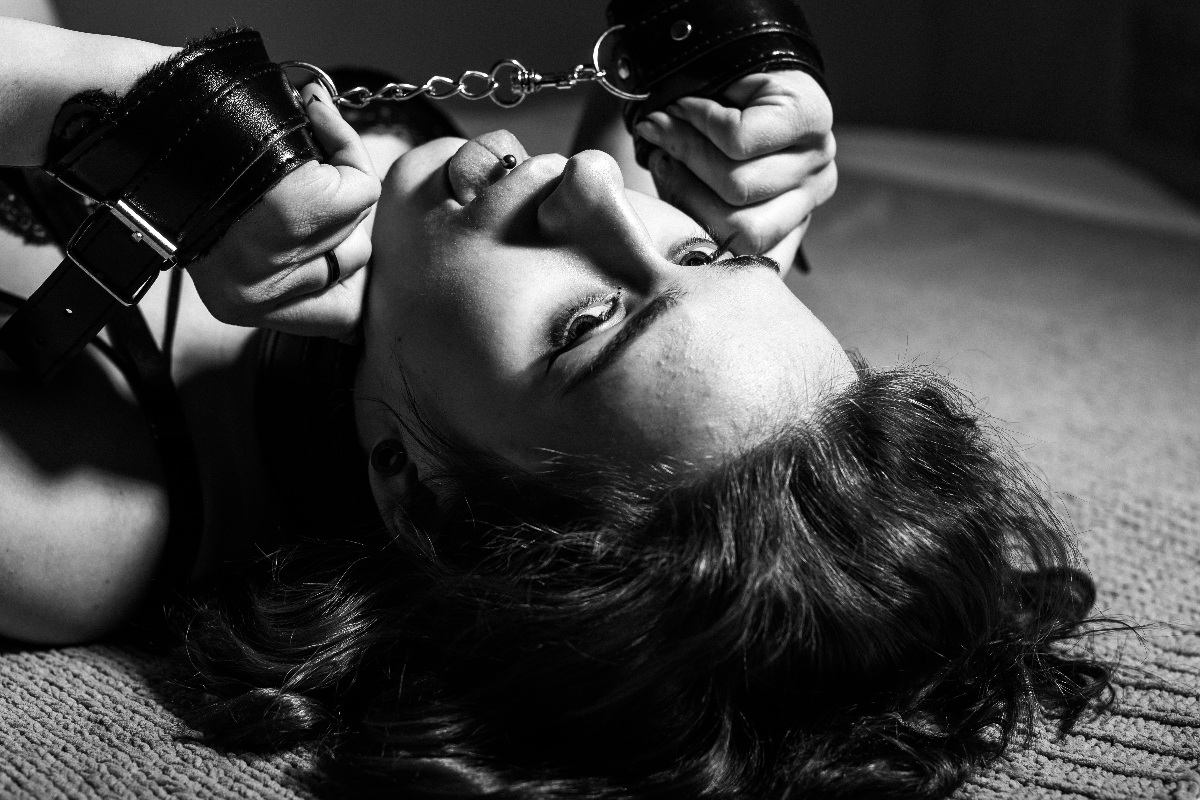
Deviant, that means... deviating?
To begin with: yes, the word “deviant” comes from the Latin deviāre, which means something like “to stray from the path.” The idea of deviant behaviour revolves around breaking a certain norm or rule, and that can range from something small - a haircut that is a little more extravagant than your neighbour is used to - to things that go much deeper, such as life choices or personal preferences that fall outside society's boundaries.
So when is something deviant?
The interesting thing about deviant behaviour is that there is no hard line between what is and isn't normal. The boundary is fluid and flexible, and often it is simply a matter of time or culture. What is “deviant” in one era may well become the norm in another. Look at tattoos and piercings, for example. A few decades ago these were quite shocking in many circles, whereas today you even come across grannies showing their grandchildren that they, too, finally have that little rose on their ankle. And so you see, what was once strange is slowly embraced.
But it doesn't always work that way. Some behaviours remain a bridge too far for many people. Think of alternative relationship forms such as polyamory or BDSM. Although acceptance is growing, a mysterious haze still hangs around these subjects. Why? Probably because people find it hard to understand what they don't experience themselves.
Who actually decides what is normal?
A question we rarely ask ourselves, right? What is “normal”? And who has the right to put a stamp on it? Often the norms and values of a society are not consciously determined, but arise simply because the majority lives and acts in a certain way. Imagine we all watched the same film and afterwards all told each other, without any discussion, that it was the best film ever. Before long others would adopt that idea, even if they perhaps don't quite agree with the choice.
Norms are therefore often the result of habits and tacit agreements carried by the majority. The norm is like a comfort blanket that formed unnoticed and that we wrap around ourselves. But what if you don't fit that idea of “comfort”? What if that blanket itches and the idea of a different, less common choice seems far more appealing? Well, then you may quickly be labelled “deviant”.
Is deviant wrong, then?
Absolutely not. Of course there are forms of deviant behaviour that are undesirable or even harmful, such as violent behaviour or acts that cause harm to others. But the bulk of deviant behaviour is actually fairly harmless and often even innovative. Colouring a little outside the lines can lead to renewal and growth, both personal and social. Just imagine what the art world would look like without artists who break with convention, or how little innovation there would be if nobody dared to experiment. The world needs room for deviation, for the unusual and the surprising.
In addition, deviant behaviour can help to put existing norms under the microscope. People who deliberately deviate make others think. That doesn't even always have to be deliberate, but can simply happen by embracing a different way of living or thinking. This creates room for new ideas and ways of living together.
The charm of the deviant
Being deviant is not an insult, but actually a hidden compliment. If someone says you are deviant, it means you evidently have enough guts to choose something that suits you, regardless of whether others find it strange or not. You follow your own path, and that is exactly what a society needs: people who are not afraid to chart their own course and possibly cause a bit of friction along the way.
It is actually a little ironic, isn't it? Society is built on innovations that often stem from the idea of deviant behaviour, while that same society sometimes views those same innovations with suspicion. But as with everything in life, this changes too. Norms shift, and who knows, in ten years your deviant behaviour may well be the new norm.
Mistress Moriah
Source
Text: Mrs Moriah
Image: 123rf.com
Dit artikel is ook beschikbaar in het Nederlands →
Read also

How important is BDSM to me? Could I live without it?
How important is BDSM to me? Could I live without it? Someone recently asked me: "How important is BDSM to you? Could you go without it for, say, six…
6 November 2024
True Femdom is hidden in our whole being
True Femdom is hidden in our whole being. My previous blog "For me, the most beautiful sub is a Femdom sub" turned out to stir up quite a bit of dust
21 August 2024
Femdom lady - From the diary of Mrs Moriah
Femdom lady. Someone asked me that recently. ‘What does Femdom mean to you?’ Good question. I don't even know if I can just give an answer to that…
26 April 2018