
Rope for bondage – which one should you choose?
“Rope for bondage: which one should you choose?” was written for BDSMforyou.nl by Mistress Moriah.
Bondage is an art form in which the choice of rope is crucial. The right rope can make the difference between a safe, enjoyable experience and an uncomfortable, even dangerous situation. If you want to be able to suspend your sub with it, make sure it’s thick enough. Consider, for example, a 10mm diameter and a length of about 14 meters (or longer). A rope for CBT bondage, on the other hand, shouldn’t be too thick. Consider, for example, a thickness between 4 and 6 mm. A length of 3 meters is perfectly suitable for this.
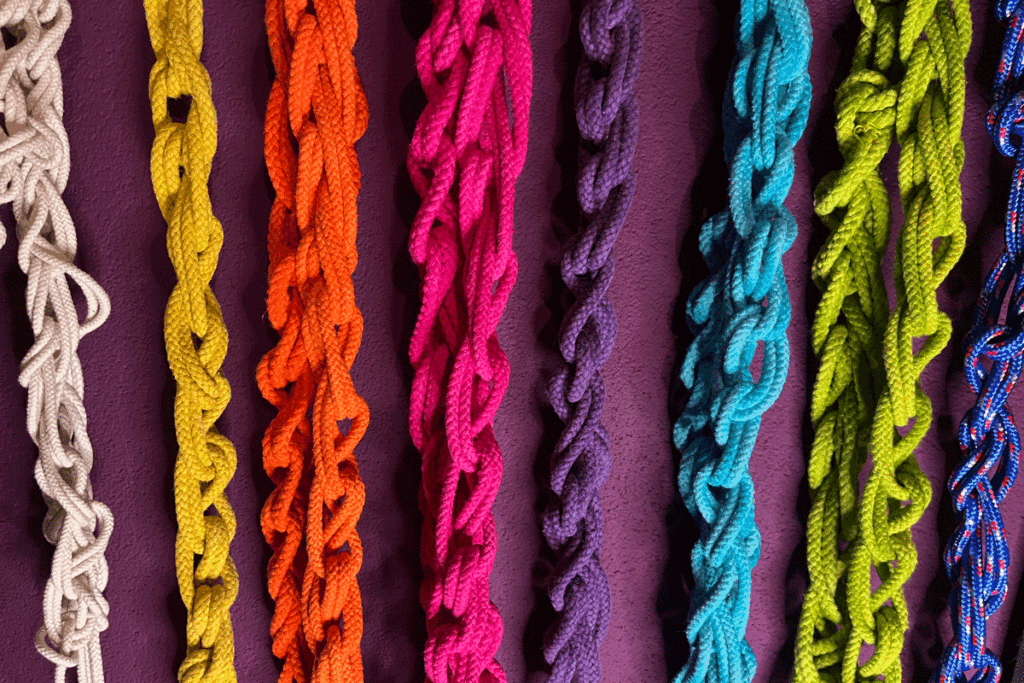
Choosing the right rope for bondage is a personal decision that depends on your preferences, the style of bondage you want to practice, and the comfort level of you and your partner. Experiment with different types of rope to discover what works best for your unique situation.
Natural versus synthetic ropes
First, it’s important to understand the difference between natural and synthetic ropes. Natural ropes, such as hemp and jute, are popular for their traditional look and ability to hold knots securely. However, they are often rougher and can leave marks on the skin. Synthetic ropes, such as nylon and polyester, are smoother and more comfortable against the skin, but can stretch, potentially causing unintended constriction.
Hemp
Hemp is a classic bondage rope, beloved for its strength and durability. It offers a good grip and ties well, which is essential for complex bondage techniques. However, hemp can be rough on the skin and requires some care, such as regular oiling to keep it supple.
Jute
Jute is lighter than hemp and has an authentic look that many bondage enthusiasts find appealing. It is also strong and holds knots well. Like hemp, jute can be rough, and it tends to wear out more quickly. For those who prefer a traditional look and feel, jute is an excellent choice.
Synthetic Options
For those who prioritize comfort, synthetic ropes such as nylon and polyester offer a soft, smooth experience. They are also water-resistant, making them ideal for play in damp environments. However, they sometimes lack the aesthetics and feel of natural ropes and can stretch, which is undesirable for certain bondage styles.
Safety and Maintenance
Regardless of the type of rope, safety comes first. Make sure you always have a pair of scissors or a knife on hand to quickly cut the rope in case of an emergency. Maintenance is also important; natural ropes should be oiled regularly, and all ropes should be stored clean and dry.
Caring for Hemp and Jute Ropes
Oiling natural rope, such as hemp and jute, is important to keep it supple, durable, and comfortable to use. That’s why it’s worth paying attention to proper care:
Choose the right oil
For natural rope, an oil such as jojoba oil or refined coconut oil is ideal. These oils don’t spoil quickly and keep the rope supple without leaving an unpleasant odor.
Cleaning
Before applying oil, the rope must be clean and dry. If it’s still new, you can skip this step. Otherwise, you can clean it by gently washing it with water and mild soap. Make sure the rope is completely dry before applying oil.
Apply the oil
Use a clean cloth or your hands to apply a small amount of oil to the rope. Work in sections and make sure to distribute the oil evenly along the entire length.
Work the oil in
Massage the oil into the rope with your hands. This helps the oil penetrate deep into the fibers and ensures even coverage.
Remove excess oil
After applying the oil, let the rope rest for a few minutes so the oil can soak in. Then use a clean cloth to gently wipe away any excess oil. The rope should not feel greasy.
Let it dry
Hang the rope in a well-ventilated area and let it dry completely. Avoid direct sunlight or heat sources, as these can damage the rope.
Regular maintenance
Depending on how often you use the rope, you should repeat the oiling process regularly. Once every few months is usually sufficient for regular use.
Care for other natural ropes
Manila rope
Manila rope has a rough texture. It often requires less maintenance than hemp or jute, but can benefit from an occasional light oil treatment to keep it supple. Because manila rope can be stiffer, it is less common in bondage, but the maintenance principle remains the same.
Other natural ropes
For other types of natural rope, such as cotton or sisal, maintenance needs may vary. Cotton rope, for example, often does not require the same oil treatment as hemp or jute, but it must be kept clean and dry. Sisal is quite rough and is used less frequently for bondage, but when used, it can benefit from a similar oil treatment to make it more flexible.
More information
Bondage – Theme page
Dungeon & products – Theme page
Source
Text & image: Mistress Moriah

